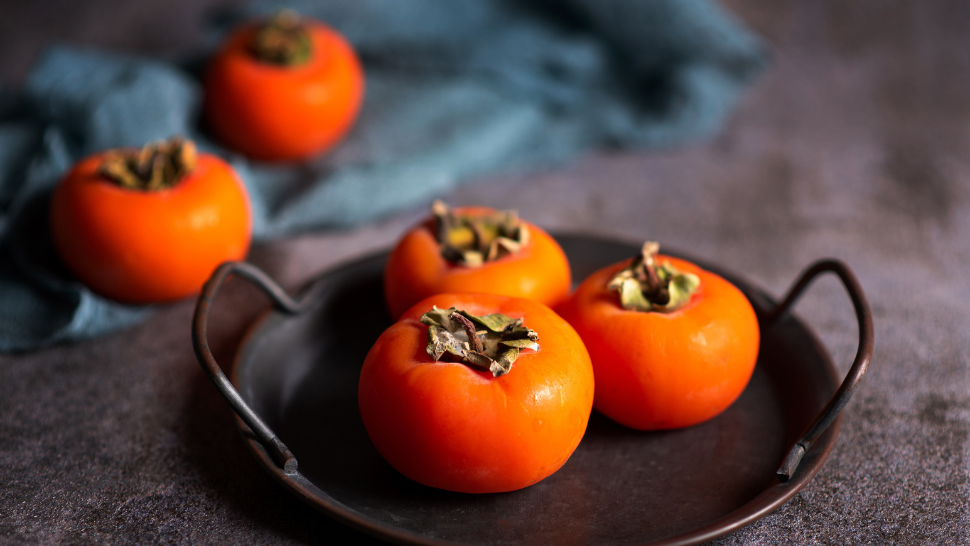
Let’s cut to the chase: persimmons might just be the most misunderstood fruit in the produce aisle. Shaped like a tomato, dressed like a fall pumpkin, and mysterious enough to make you Google, “do I eat the skin?” Whether you’re a fruit fanatic or a cautious taste tester, here’s your juicy guide to everything persimmon: how to eat it, how to slice it, and why you’ll fall head over heels for it.
What is a persimmon, anyway? Persimmons are the sweet, honeyed gems of late autumn and early winter. Native to East Asia and with deep roots in Japanese and Korean cuisines, this fruit is a nutrient-packed delight. The two main types you’ll find at the market are:
- Fuyu: squat like a tomato and sweet when firm — think apple-esque with a tropical twist. Fuyu can be eaten skin and all, either sliced into wedges like an apple, or chopped and tossed into salads, salsas, or yogurts.
- Hachiya: more heart-shaped and must be soft and jelly-like before eating, unless you enjoy the mouth-puckering effect of tannins. Hachiya is best when very soft. Slice off the top and scoop out the pudding-like interior with a spoon.
Pro tip: To ripen Hachiyas faster, place them in a paper bag with an apple or banana. The ethylene gas they release will help speed up the process, making your fruit ready in no time.
Sweet meets savory. If your only persimmon experience has been as a holiday fruitcake cameo, we’re sorry. This fruit is far more versatile than its candied stereotypes suggest.
Try these pairings:
- Fuyu slices + arugula + goat cheese + balsamic drizzle = the salad of your dreams.
- Hachiya pulp + Greek yogurt + cinnamon + granola = parfait perfection.
- Chopped Fuyu + red onion + cilantro + lime = persimmon salsa (yes, really).
Persimmons aren’t just delicious, they are a great way to add some edible elegance to your plate. Slice them crosswise and you’ll discover a star pattern hiding inside. Use these slices to garnish toast, top oatmeal, or elevate a bowl of grain-based goodness. The natural sugars caramelize beautifully, making them a great addition in baking as well. Think muffins, quick bread, and even pancakes.
Naturally nourishing. Persimmons are a nutrient-packed fruit that can help support your overall health. They are a source of fiber, which aids in digestion and helps you feel full, longer.
Persimmons are full of vitamins A and C plus antioxidants like beta-carotene, lutein, and zeaxanthin, all of which help protect your eyes, skin, and immune system. These compounds also work to reduce oxidative stress, which can be a contributor to chronic diseases including heart disease and cancer.
And that’s not all: The fruit’s tannins, the compounds that make Hachiyas bitter before ripening, have been studied for their antimicrobial and anti-inflammatory properties. Early research event suggests that the bioactive compounds in persimmons may support cardiovascular health by lowering LDL cholesterol and improving arterial function.
From Asia with love. Persimmons are celebrated in many cultures. In Japan, they’re considered a symbol of good fortune and longevity. In Korea, they’re often dried into sweet, chewy snacks called gotgam. In China, dried persimmons are a traditional snack during Lunar New Year.
The final slice. Whether you bite into a crisp Fuyu like an apple or scoop out the sweet, custardy insides of a Hachiya with a spoon, one thing’s for sure — this fruit is ripe for rediscovery.
Don’t let its odd name or tomato-like looks fool you. Persimmons are a great unexpected addition, bringing sweetness, nutrition, and a whole lot of seasonal flair. So, here’s your permission to persimmon: slice, eat, and fall in love.