From dessert trays to cookie exchanges, holiday baking can be more than just a tradition — it can be a comfortable ritual that supports your mental health. According to mental health experts, engaging in the cooking process (which includes baking) can offer emotional benefits like reduced anxiety and mental distress and a sense of accomplishment. A 2018 review of over 300 studies on the mental health benefits of cooking reported positive psychosocial benefits including higher self-esteem, improved psychological well-being, decreased anxiety, and better quality of life. But — can comfort foods and health go together? Absolutely!
Being a conscious baker means leaning into the feel-good aspects of baking while gently folding in ingredients that add a little more nourishment. And there’s more good news, it’s about what you include not just what you take away. Here are a few easy tips to elevate your baking while keeping both comfort and well-being in mind.
Choose quality to let the flavors shine.
Quality matters, even in baking. High-quality ingredients mean more flavor with smaller amounts. Consider using vanilla beans or pure extract instead of artificial, unusual flours for different flavors and textures, quality herbs and spices, fresh citrus zests, premium chocolate for bolder flavors, a sprinkle of sea salt to balance the sweetness, or a hint of cinnamon or cardamom for warmth. These thoughtful additions or ingredient upgrades can bring more flavors with little fuss.
Boost the nutrition.
Adding fruits, vegetables, nuts, and/or seeds can enhance texture and flavor while also providing more nutrients, all without taking away the joy from your dessert. Try folding shredded zucchini into muffins, adding mashed banana to cookies, or tossing in a handful of walnuts or flaxseed. Even trying something new like using whole-grain and other less common flours or using plant-based dairy can offer and fun twist.
Try a new take on fats.
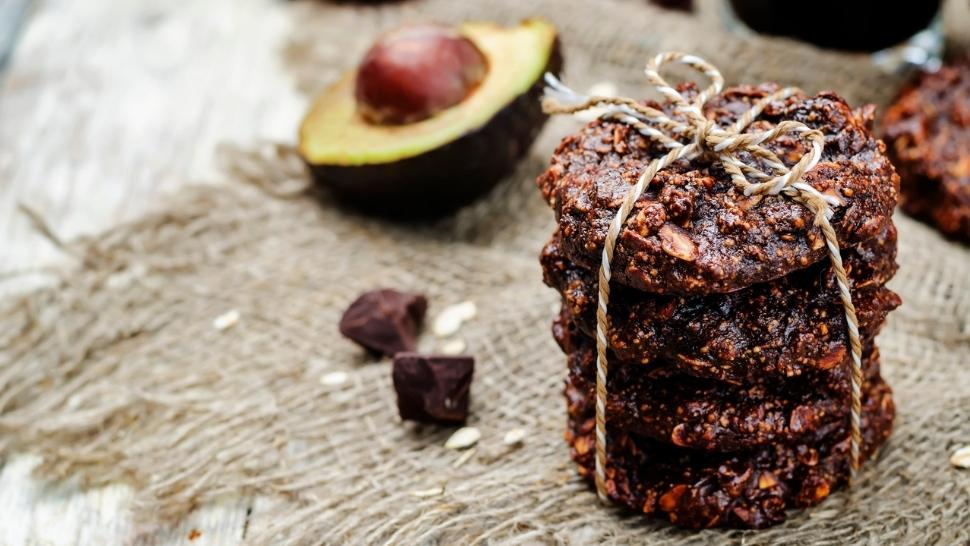
Butter has its place, but it’s also fun to try baking with heart-healthy oils such as olive, avocado, or grapeseed oil. You can even make plant-based swaps such as applesauce or mashed avocado. These swaps bring new flavors and textures to your favorite treats, but keep in mind that it may change the color or consistency of the final product. Also be aware that some classics shouldn’t be tampered with (like your Grannie’s pound cake recipe).
Moderate the sweetness.
Baked goods don’t have to be overly sweet to satisfy. Many recipes still turn out just as delicious with a little less sugar. Try reducing the sugar by 25% in any recipe without noticeable differences. You can also explore other sweet options such as dates, maple syrup, honey, or monk fruit to add a unique flavor. Just be sure to adjust your liquids as needed.
Play with the portion.
Sometimes a little goes a long way. Make bite-sized treats or cut brownies and cakes into two-inch squares to enjoy a single serving treat.
Experimenting in the kitchen with these baking techniques can not only improve your baking skills and mental well-being but also introduce more nutrients into each tasty bite. Remember to experiment, taste, and enjoy the process! Happy baking!